
Location:South London

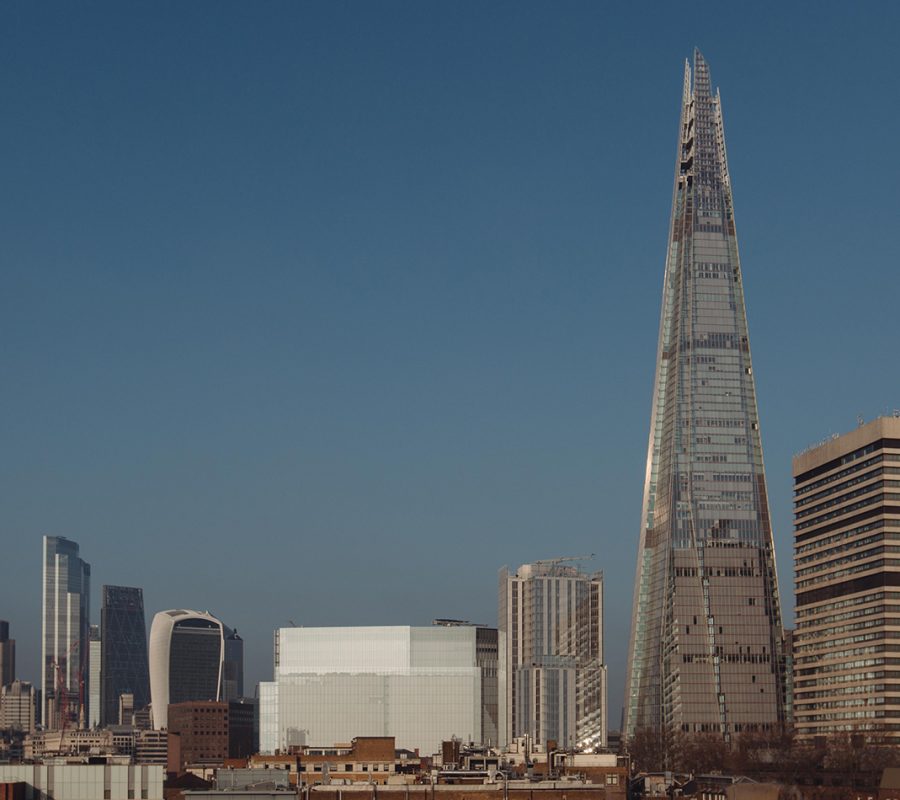
Office Space in South London
The definition of what constitutes South London office space can be a subject of debate.
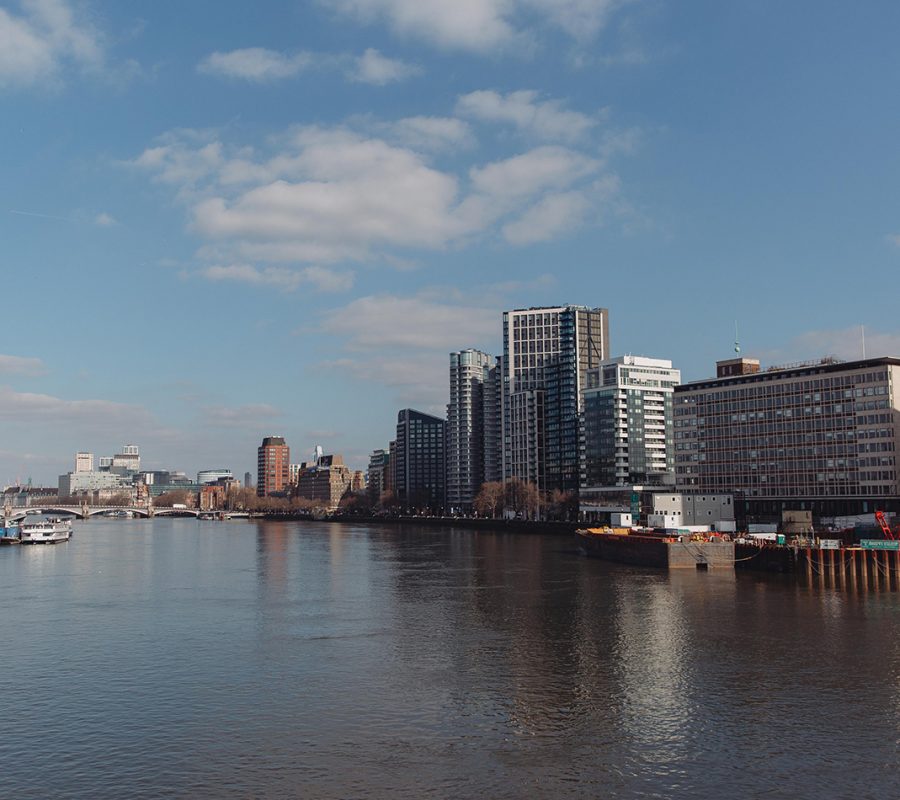
South London is not an official administrative area but is traditionally defined as the parts of the UK capital city south of the River Thames.
However, many locations in the capital that are geographically south of the river also fall into the category of Central London.
These locations include districts and boroughs such as Borough, London Bridge, South Bank, Southwark, and Vauxhall.
There are other anomalies, such as the London Borough of Richmond Upon Thames, which straddles the Thames. It is, however, the only borough that does so, and it is agreed that areas of it may be situated within North or South London.
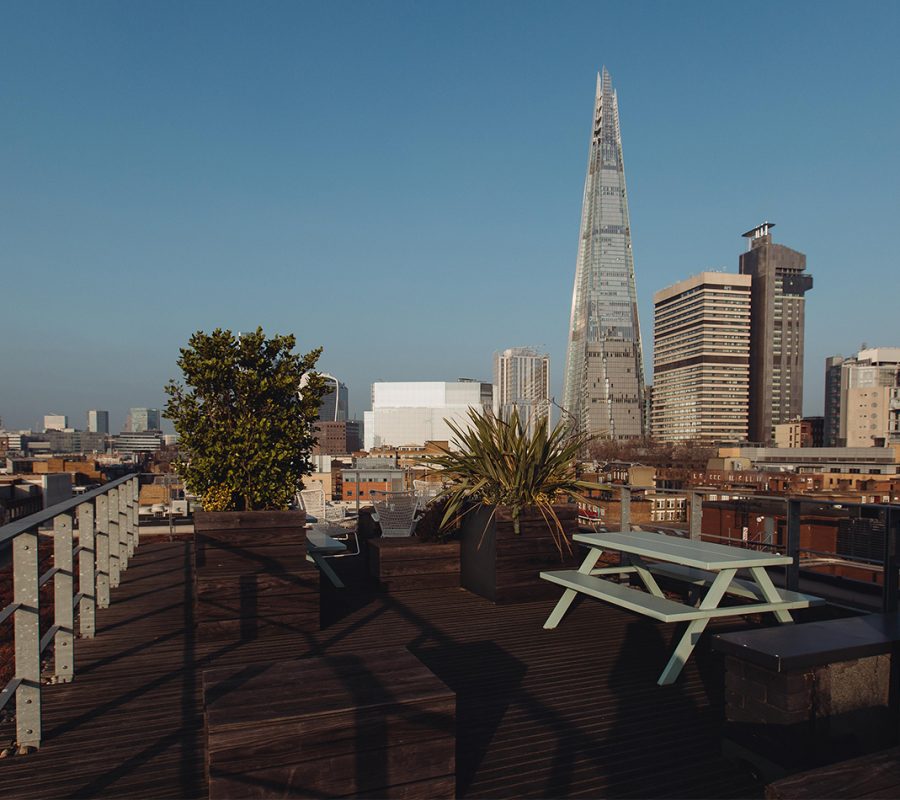
Whilst a large proportion of London’s commercial development has been concentrated north of the River traditionally, the tallest building in London and indeed the UK, The Shard, stands proudly in London Bridge on the southern bank of the river.
The Southbank is also a vibrant arts and entertainment district popular with Londoners and tourists alike, being the home of the Royal National Theatre and BFI Southbank.
Which Major Office Occupiers Are Based in South London?
The southern bank of the Thames has also been home to oil and gas group Shell’s corporate headquarters since the 1960s.
In 2023, technology company Apple opened its 500,000 square foot London headquarters and office campus at the renovated Battersea Power Station, and in 2025, architectural practice Foster + Partners announced it would rent 48,000 square feet of office space at the same scheme to complement its existing London campus in Battersea, where it has been based since 1990.
The U.S. Embassy has also been positioned in Nine Elms, Wandsworth, since 2017, following a circa $1 billion construction project.
Large UK government departments also occupy office space in South London, including HMRC and the Home Office, which are based at Ruskin Square in Croydon.
In 2025, it was announced that King’s College London, in partnership with the UK government, would develop a £3 billion district, SC London, making South London a global leader in health and life sciences.
The government-backed scheme would deliver more than 2 million square feet of research and development space close to King’s Guy’s and St Thomas’ campuses.
What Types of Office Space Are Available in South London?
As with the definition of South London, there is also discussion over the classification of office space south of the River Thames as the office market evolves.
Traditional office space in South London would have been rented on a conventional leasehold basis for a set term, with the occupier responsible for the furnishing and fit-out of the space, repairs, utilities, cleaning, and other areas of property and facilities management.
In the 1990s, the UK capital saw the introduction of serviced offices, where space was occupied on flexible, shorter-term contracts. The furnished offices were managed by office providers, and occupiers paid a monthly fee that covered rent, repairs, insurance, utilities, cleaning, and other services such as secretarial and reception staff.
In recent years, there has been another evolution of office space in South London, as across the capital, creating a somewhat blurred distinction between traditionally leased offices and flexible serviced offices.
This has created self-contained, managed office suites, floors, and buildings, as well as fitted offices.
These are bespoke options and allow occupiers to choose their preferred level of flexibility within the occupancy agreement, the length of term, the fit-out and amenity level, and how much of the property and facilities management they wish to have outsourced to the provider.
South London offers office space formats that span the broad spectrum.
Many modern and recently redeveloped buildings that offer these various forms of business space tend to offer qualities that meet the demand for strong environmental, social, and governance (ESG) credentials.
This means high levels of sustainability as well as best-in-class occupier amenities, which are increasingly in demand as businesses and organisations seek workspace that is ‘commute-worthy’ and is representive their brand.
Commuting in South London
A large part of achieving good ESG ratings, as defined by bodies such as the Building Research Establishment Environmental Assessment Method (BREEAM) and Leadership in Energy and Environmental Design (LEED), is facilitating sustainable commuting to the office.
This is reflected in the provision of electric vehicle (EV) chargers and end-of-journey facilities, including changing rooms, lockers, and showers.
Many offices in South London, particularly new developments, are built in areas that are close to public transport.
South London is well served by rail links and the London Underground system. Principal lines include the Bakerloo Line, the District Line, the Jubilee Line, and the Northern Line Southern Branch.
There are 33 London Underground stations serving those who utilise office space in South London, south of the River Thames, and these stations are largely concentrated in the boroughs of Lambeth, Merton, Southwark and Wandsworth.